Quick answer
Equipment finance spreads the cost of business equipment, from ovens and forklifts to excavators and computers, over its working life, with the equipment usually acting as security. Common structures are chattel mortgage, hire purchase and leasing. It preserves cash for running the business, and eligible small businesses may also be able to use the $20,000 instant asset write-off.
Key points
- The equipment usually secures the loan.
- Chattel mortgage, hire purchase and leases are the main structures.
- New and used equipment can be financed.
- Keeps cash free for running the business.
- Also called
- Asset finance, plant and equipment finance
- Security
- The equipment itself
- Structures
- Chattel mortgage, hire purchase, lease
- Tax
- Ask your accountant about write-offs
Why finance equipment instead of paying cash?
Because cash is the lifeblood of the business, and equipment is a long-term asset. Paying a large sum upfront for a machine that will earn money for the next five or ten years drains your working capital today. Financing it lets the equipment pay for itself over time, while your cash stays available for wages, stock and the unexpected.
The main structures
| Structure | Who owns it | Key feature |
|---|---|---|
| Chattel mortgage | You, from day one | Lender holds security over the asset |
| Hire purchase | Lender, until the final payment | Ownership passes at the end |
| Finance lease | Lender | You rent it, with options at term end |
| Operating lease | Lender | Shorter-term use, often with servicing |
Which one suits depends on GST registration, how you claim depreciation, whether you want to own the asset and your accountant’s advice.
New, used and private sale
Lenders finance new equipment from dealers, used equipment from dealers or auctions, and often private sales too. For older equipment, expect questions about condition and the age of the asset at the end of the term.
Specialised equipment pages
Each type of equipment has its own entry in the directory: vehicle finance, truck finance, machinery finance, technology finance and green business loans for solar and efficiency upgrades. Timing a purchase around tax time? Read our guide to financing equipment before EOFY.
Got a quote in hand? Send us the details.
An illustrative example
A commercial kitchen needs a combi oven and blast chiller. Equipment finance over the expected working life of the gear means repayments are covered by the extra covers the kitchen can serve. (Illustrative only.)
What else is equipment finance called?
Lenders, accountants and search engines don’t all use the same words. You’ll also see this entry described as Asset finance, Plant and equipment loan and Hire purchase. In our A–Z index every one of those names points back to this page, so whichever term you searched, you’ve landed on the same thing. If a lender uses a name you don’t recognise, ask them to describe how the security, the term and the repayments work; that tells you far more than the label.
Where does it sit in the directory?
This entry lives on the trade, stock and asset shelf. It’s most often used for equipment and vehicles, and the security usually involved is the asset being bought. It is one of the quicker entries to put in place when the paperwork is ready. Its closest neighbours are:
- Business vehicle finance — Cars, utes and vans for the business, with the vehicle as security.
- Truck finance — Rigid trucks, prime movers, tippers and trailers — new or used.
- Chattel mortgage — You own the asset from day one; the lender holds a security interest over it.
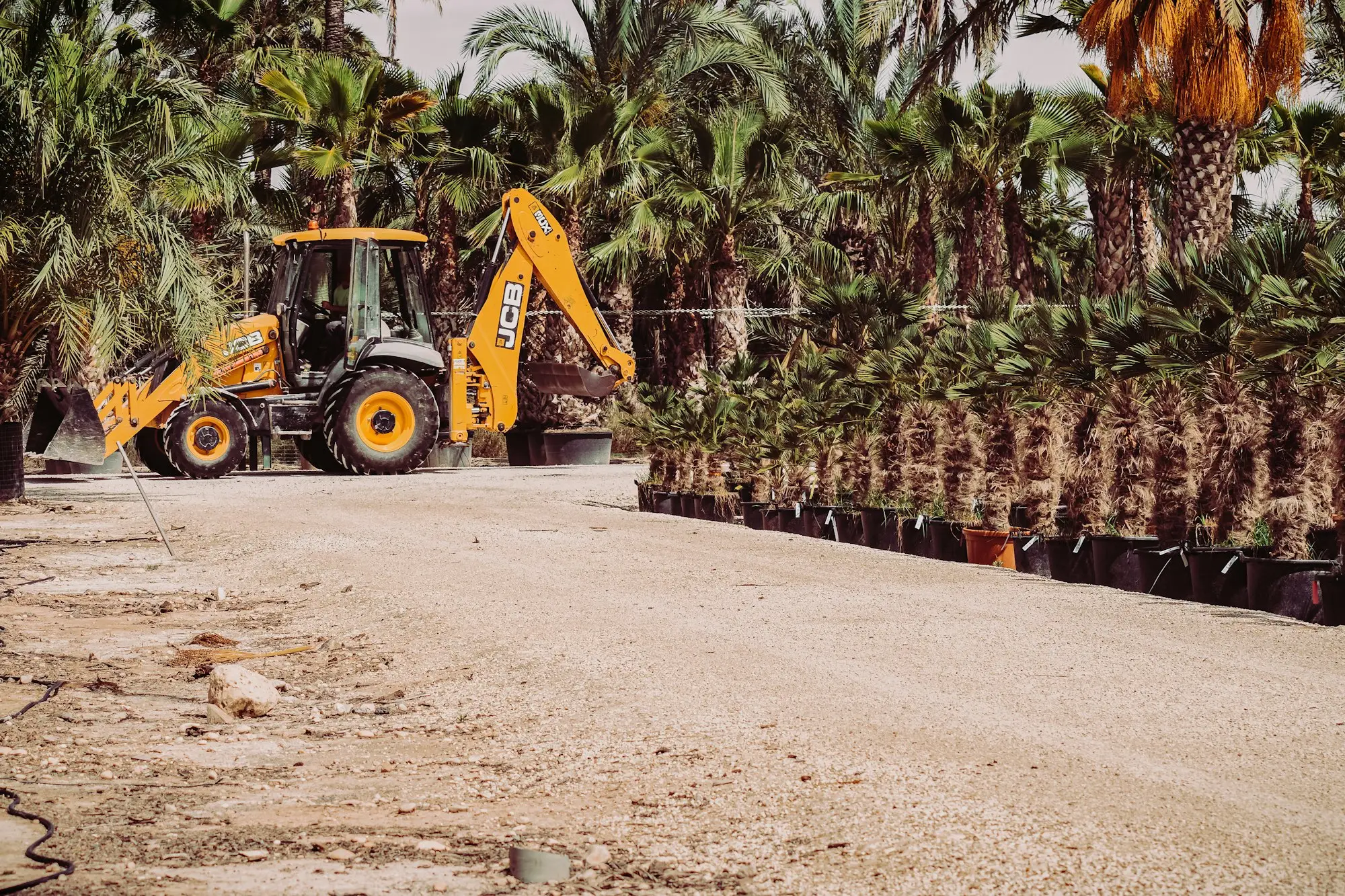
- Machinery finance — Excavators, loaders, tractors and production lines.
To compare all of them at once, filter the Loan Finder by purpose and security.
Common mistakes to avoid
- Choosing the structure before talking to your accountant. Chattel mortgage, hire purchase and leases are treated differently for GST and tax.
- Stretching the term past the asset’s useful life. Paying for something you’ve already replaced is the most common equipment finance regret.
- Skipping the PPSR search on used gear. A quick search confirms nobody else has a security interest over the asset you’re buying.
- Setting a balloon you can’t meet. A big final payment lowers repayments now but needs a real plan for later.
- Forgetting running costs. Insurance, servicing, registration and fuel all sit on top of the repayment.
What should I ask before signing up for equipment finance?
A short list of questions saves a lot of regret. Put these to any lender or specialist before you commit:
- Is the price including or excluding GST? It changes the amount financed and the GST credit you might claim.
- What age limit applies at the end of the term? Older assets may need shorter terms or a deposit.
- Is there a balloon, and can I change it? Set it to suit how long you’ll keep the asset.
- What insurance is required? Lenders usually require comprehensive cover with their interest noted.
- Can I pay out early? Ask how payout figures are calculated before you commit.
If an answer is vague, ask again or ask for it in writing. Good lenders are happy to explain their terms clearly.
Get the gear, keep the cash
If your business needs equipment, financing it can protect your cash flow. There’s no credit check to enquire, and your enquiry goes to one specialist rather than being shotgunned across lenders.
Please tell us what you’re buying, the price, whether it’s new or used and who’s selling it. Accurate details get you the right structure. Start your enquiry.
Frequently asked questions
What equipment can be financed?
Almost anything with a resale value: vehicles, trucks, machinery, kitchen equipment, medical and dental gear, computers, solar, forklifts and more.
Can I finance used equipment?
Yes, including private sales and auctions, though lenders may limit the age of the equipment at the end of the term.
What is a balloon payment?
A lump sum due at the end of the term. It lowers regular repayments but means a larger final payment.
Does the instant asset write-off apply?
Eligible small businesses may be able to immediately deduct the business portion of assets costing less than $20,000. Check current rules with your accountant and the ATO.