Quick answer
Rural and farm business loans fund agricultural businesses: buying or refinancing land, livestock, machinery, water, infrastructure and seasonal working capital. Lenders who understand agriculture assess the land, production history, seasonal cash flow and the farmer's experience, and may offer repayments timed around harvest or sale periods. Farm property often provides strong security.
Key points
- Covers land, livestock, machinery, infrastructure and working capital.
- Seasonal repayments can match harvest or sale periods.
- Production history and experience matter.
- Farm property can provide strong security.
- Also called
- Agribusiness loans, farm loans
- Uses
- Land, livestock, machinery, working capital
- Security
- Farm property, machinery
- Repayments
- Can be seasonal
Farming runs on a different calendar
Most businesses have regular monthly income. Farms don’t. A grain grower may receive most of the year’s income in a few months after harvest. A cattle producer sells at particular times. Inputs like seed, fertiliser, fuel and labour have to be paid long before the cheque arrives. Finance that ignores that calendar creates pressure; finance built around it makes sense.
What rural loans fund
| Need | Typical shelf |
|---|---|
| Buying or expanding land | Land loans or rural property loan |
| Tractors, harvesters, sprayers | Machinery finance |
| Seed, fertiliser, fuel | Seasonal working capital |
| Solar pumps, batteries | Green business loans |
| Recovery after drought, fire or flood | Emergency business loans |
What agricultural lenders look at
- Production history over several seasons.
- Land quality, water rights and location.
- Experience and succession plans.
- How the farm has handled bad years.
- Off-farm income and diversification.
Planning around the season
Map out when costs land and when income arrives. A seasonal facility drawn in spring and repaid after harvest can carry the farm through the year without disrupting the main loan. Ready to plan your season? Enquire here.
An illustrative example
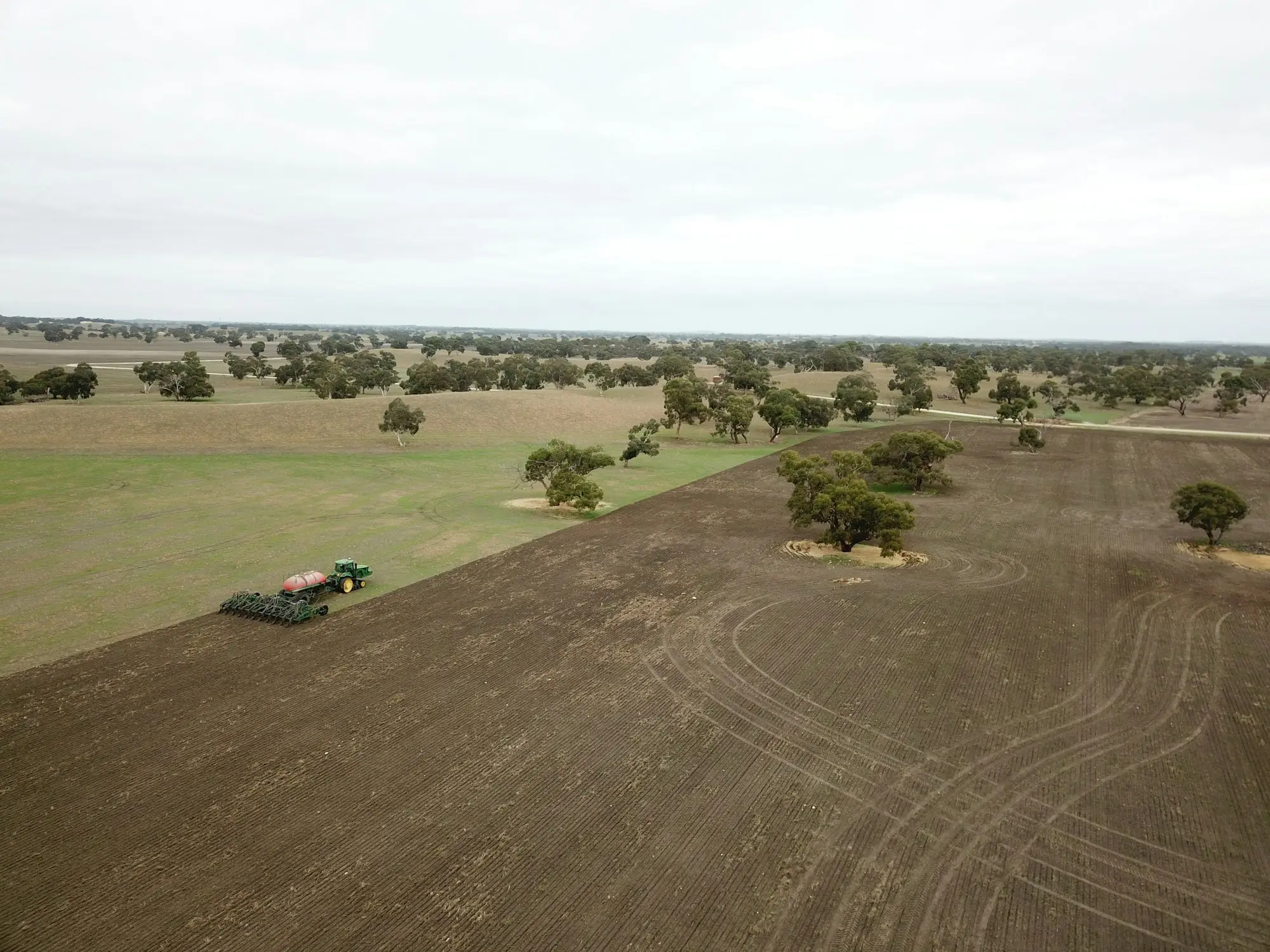
A mixed-farming family in the Riverina needs a new air seeder before sowing. Machinery finance with repayments scheduled after harvest means the seeder pays for itself from the crop it plants. (Illustrative only.)
What else is rural and farm business loans called?
Lenders, accountants and search engines don’t all use the same words. You’ll also see this entry described as Agribusiness loan and Farm loan. In our A–Z index every one of those names points back to this page, so whichever term you searched, you’ve landed on the same thing. If a lender uses a name you don’t recognise, ask them to describe how the security, the term and the repayments work; that tells you far more than the label.
Where does it sit in the directory?
This entry lives on the growth and restructuring shelf. It’s most often used for buying, starting or growing a business, equipment and vehicles, property and projects, and the security usually involved is whatever suits the deal, from nothing at all to property. It usually involves a little more paperwork and assessment than the quickest options, so start early. Its closest neighbours are:
- Fit-out finance — Kitchens, counters, joinery and the build-out of new premises.
- Professional practice loans — Buy into, set up or expand a medical, dental, legal or accounting practice.
- Tradie business loans — Tools, utes, materials and the wait for progress claims to be paid.
- Business acquisition loans — Fund the purchase of an existing business, its goodwill and its stock.
To compare all of them at once, filter the Loan Finder by purpose and security.
Common mistakes to avoid
- Starting with the product instead of the purpose. Decide exactly what the money must achieve, then choose the structure that fits it.
- Not comparing secured and unsecured options. The same need can often be met either way; the right answer depends on amount, credit and timing.
- Under-estimating the total cost. Ask for the full amount repayable in dollars, including every fee, before you compare offers.
- Applying everywhere at once. Multiple applications can leave a trail of credit enquiries. One well-prepared enquiry is better.
- Leaving it until the last minute. Facilities are easier to arrange while trading is strong, not in the middle of a crunch.
What should I ask before signing up for rural and farm business loans?
A short list of questions saves a lot of regret. Put these to any lender or specialist before you commit:
- Which structures did you consider for me? A good specialist explains why one option beats the others for your situation.
- What’s the total cost in dollars? Compare like with like across secured and unsecured offers.
- What security or guarantees are needed? Know exactly what’s on the line before you sign.
- How are repayments timed? Match frequency to how money comes into your business.
- What happens if things change? Ask about early repayment, top-ups and hardship options.
If an answer is vague, ask again or ask for it in writing. Good lenders are happy to explain their terms clearly.
Finance that knows the land
If your farm or rural business needs funding, lenders who understand the season make all the difference. There’s no credit check when you enquire, and one specialist handles your enquiry.
Please tell us about the property, what you produce, your income pattern and what you need. Accurate details mean a sensible structure. Start your enquiry.
Frequently asked questions
Can farm loans have seasonal repayments?
Some agricultural lenders structure repayments around harvest, wool sales or livestock sales rather than monthly.
Is there government support for farmers?
There are various programs, including concessional loans at certain times. Check business.gov.au and your state's agriculture department.
Can I borrow against farmland for non-farm business purposes?
Yes. Rural property can secure other business borrowing, though lenders value rural land conservatively.
Do lenders consider drought or flood history?
Yes. They look at how the business has handled bad seasons and what risk management is in place.